MEANINGFUL TRAVELLERS
Sevilla
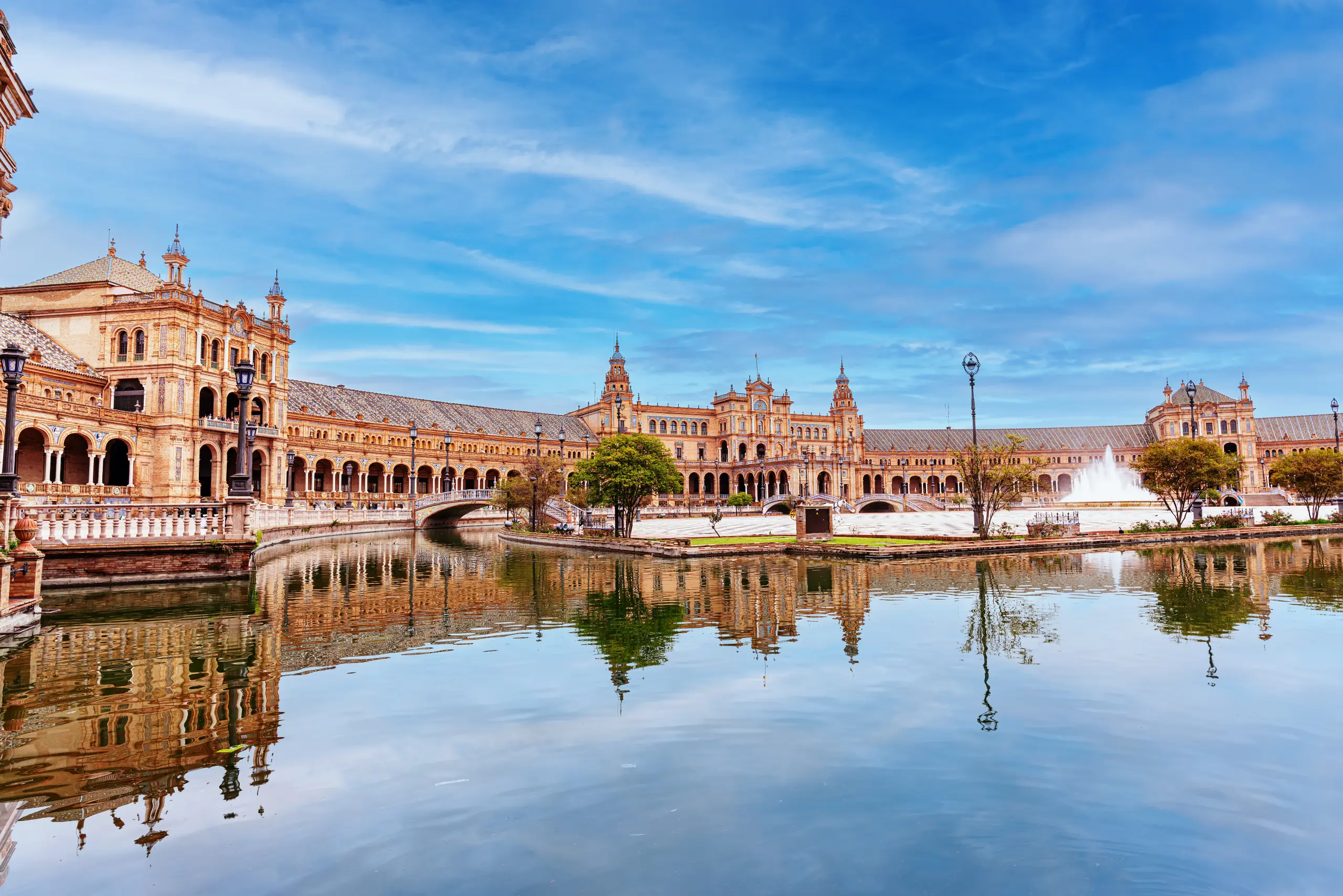
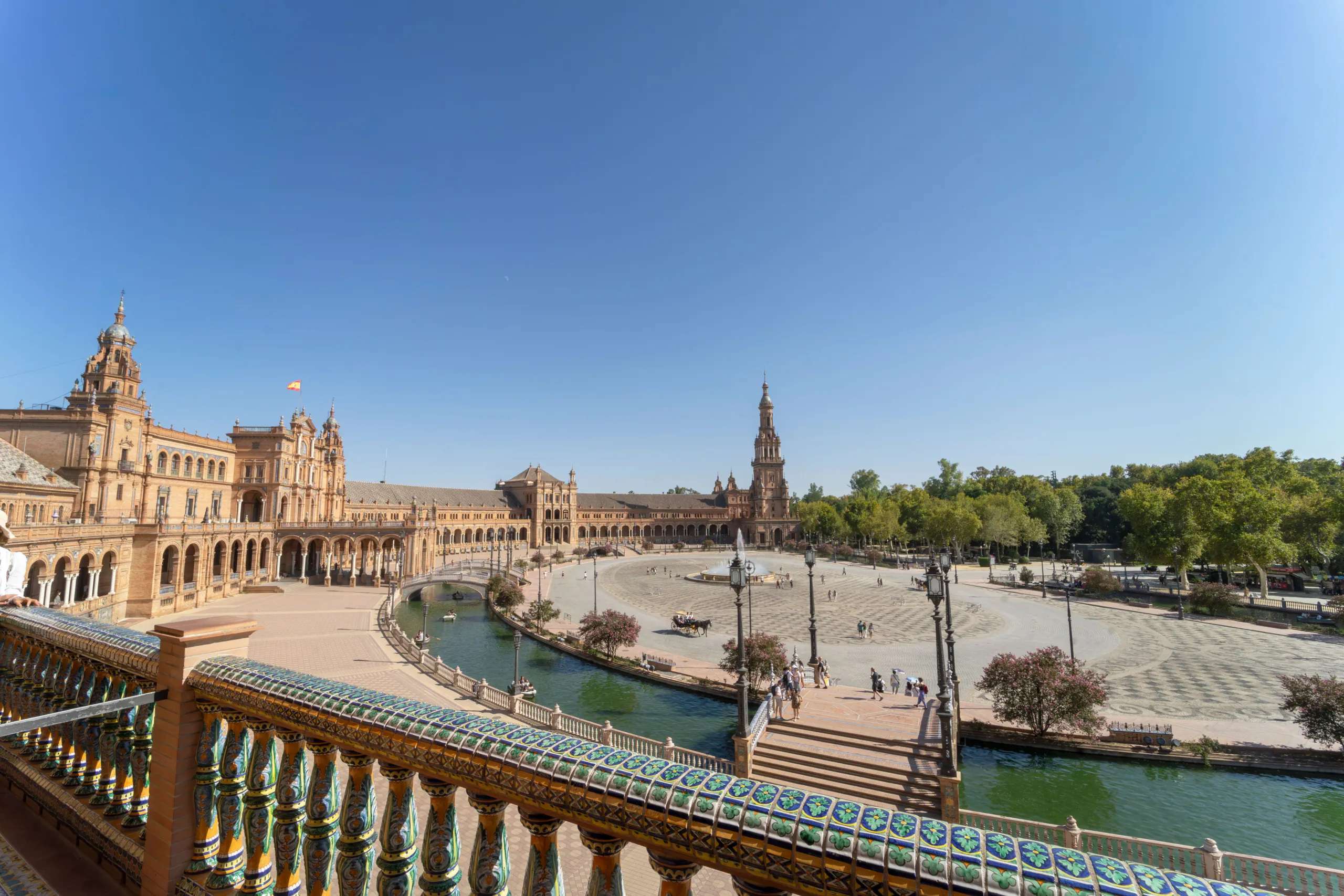
Seville is not a destination to be consumed; it is a city to be understood. Beneath its sunlit façades and orange-blossom courtyards lies a layered history shaped by Islamic scholarship, Atlantic trade, sacred music and contemporary creativity. For the discerning traveller, Seville offers something rarer than spectacle: it offers continuity — between past and present, between craftsmanship and daily life, between celebration and reflection.
Seville: Depth, Light and the Art of Staying
Seville is not a destination to be consumed; it is a city to be understood. Beneath its sunlit façades and orange-blossom courtyards lies a layered history shaped by Islamic scholarship, Atlantic trade, sacred music and contemporary creativity. For the discerning traveller, Seville offers something rarer than spectacle: it offers continuity — between past and present, between craftsmanship and daily life, between celebration and reflection.
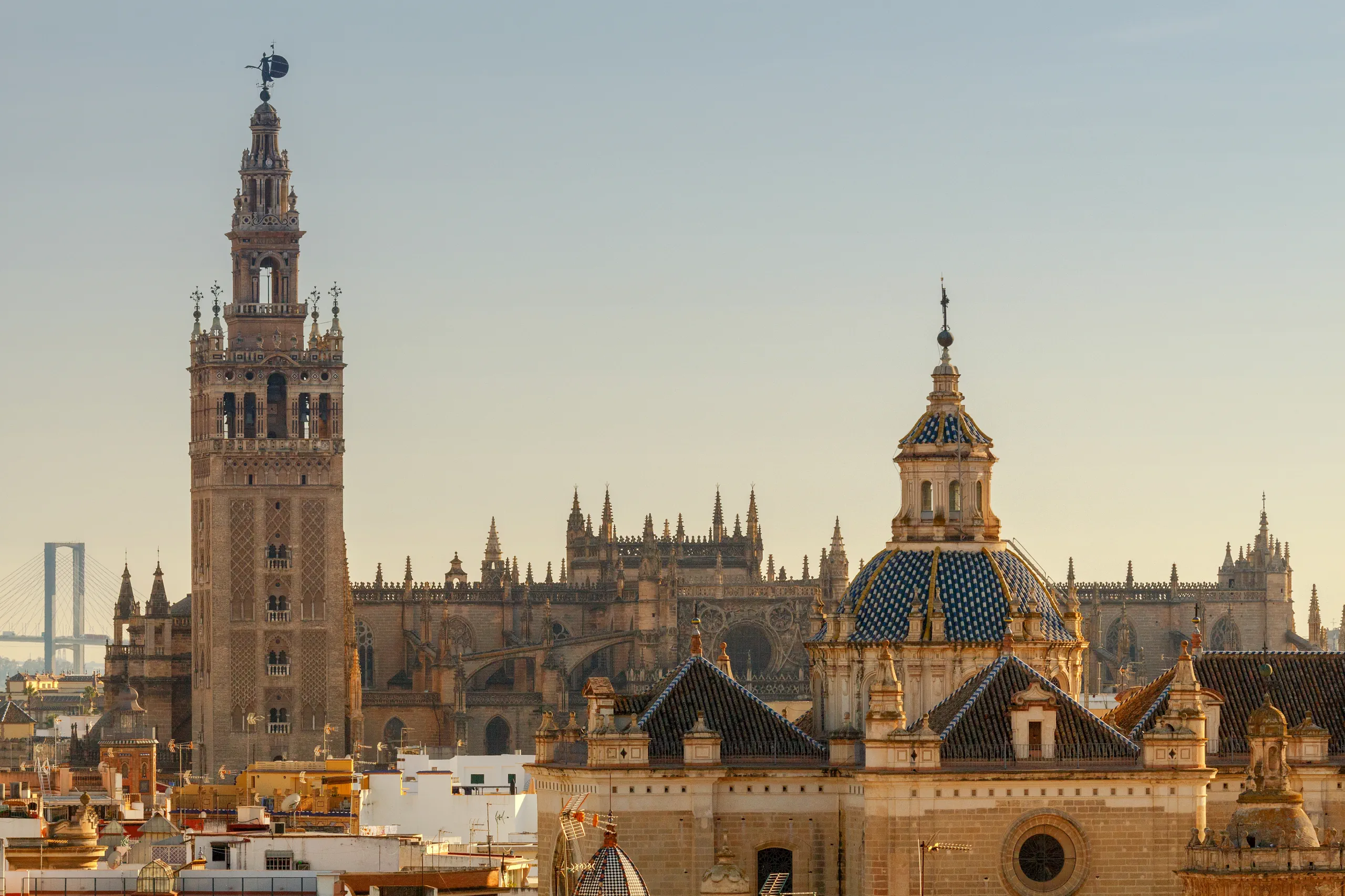
At the heart of the historic centre stands the Seville Cathedral, a monumental testament to the city’s late medieval ambition. Rather than rushing through its vast nave, consider a guided architectural reading that traces how the building absorbed the former mosque that once occupied this site. Just steps away, the Giralda rises as a symbol of cultural continuity — Almohad minaret transformed into Renaissance bell tower — an eloquent reminder that Seville’s identity is built on dialogue rather than rupture.
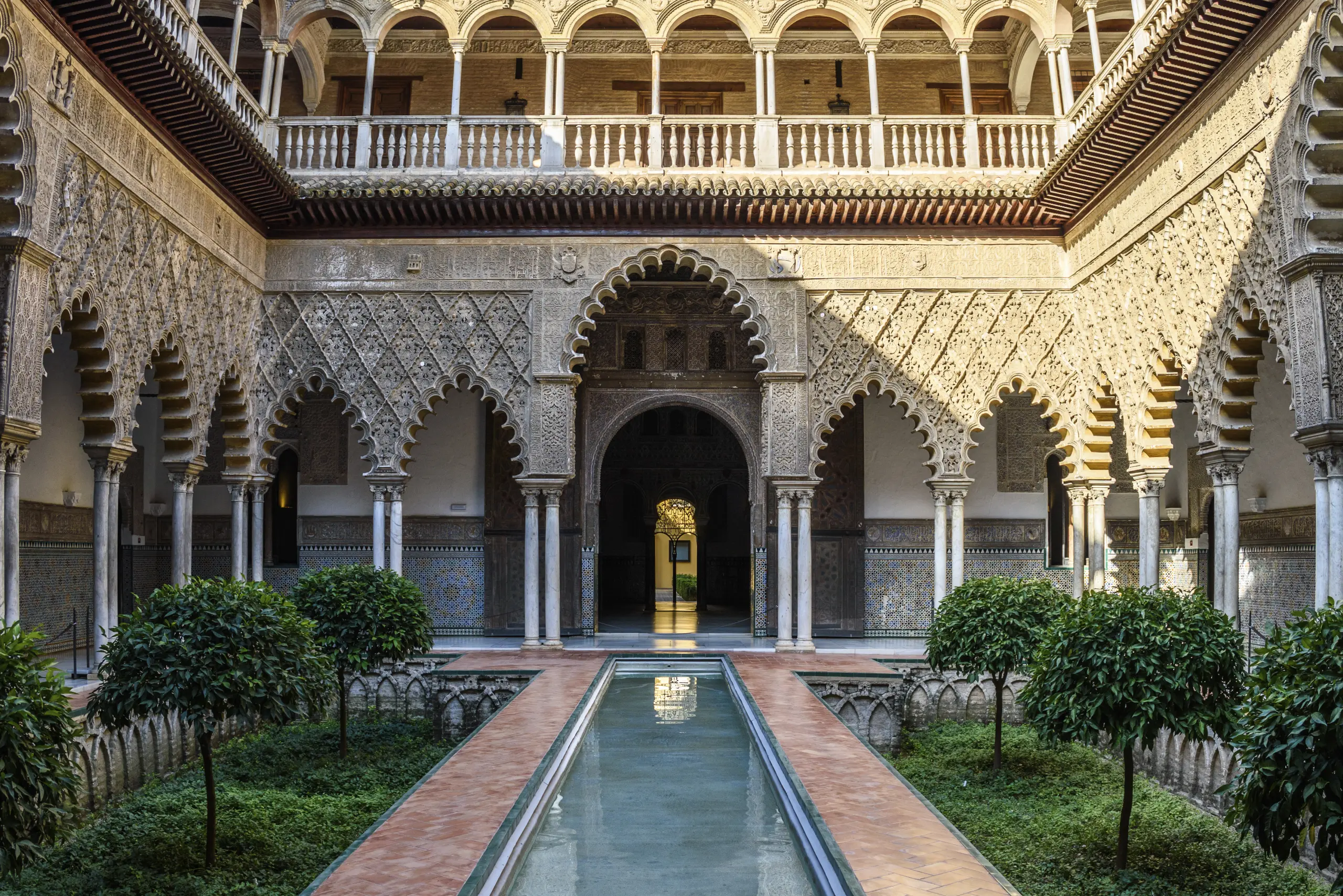
Across the gardens, the Real Alcázar of Seville reveals another dimension of this dialogue. Still a functioning royal residence, its Mudéjar palaces and shaded patios invite a slower pace. Early private access visits, arranged outside peak hours, allow for a contemplative experience that respects both the site and the city’s residents. Responsible travel here means choosing time over speed and insight over accumulation.
Seville’s relationship with the Guadalquivir River shaped its golden age as the gateway to the Americas. Today, that legacy can be explored thoughtfully through small-scale river walks led by local historians who address not only commerce and exploration, but also the ethical complexities of empire. Travelling consciously in Seville involves acknowledging these narratives with intellectual honesty.
Neighbourhood immersion offers a more intimate understanding of the city. In Triana, ceramic ateliers continue centuries-old traditions. Visiting working workshops — rather than souvenir stalls — sustains living craftsmanship and keeps knowledge within the community. In Santa Cruz, once the Jewish quarter, narrow streets reward those who wander without agenda. The city’s rhythm reveals itself in conversation with artisans, gallery owners and chefs who reinterpret Andalusian heritage with seasonal, locally sourced ingredients.
Seville’s cultural calendar is often associated with grand festivities, yet meaningful engagement goes beyond spectacle. During Semana Santa, processions become profound expressions of collective memory; respectful observation requires discretion and sensitivity. Likewise, Feria de Abril is best approached through private invitations to family casetas, where hospitality reflects genuine Sevillian warmth rather than staged performance.
Sustainability in Seville is not an abstract concept. Boutique accommodations in restored palacios prioritise adaptive reuse and local employment. Many collaborate with regional producers, reducing supply chains while elevating quality. Choosing these establishments directly contributes to urban conservation and neighbourhood vitality.
The true luxury of Seville lies in time: time to sit beneath tiled arcades, to listen to a rehearsal of flamenco in an intimate peña rather than a theatrical venue, to understand olive oil as an agricultural heritage rather than a commodity. Here, refinement is measured not by exclusivity alone, but by depth of encounter.
Seville rewards those who travel with awareness. Its beauty is evident at first glance; its meaning unfolds only to those willing to remain attentive.