MEANINGFUL TRAVELLERS
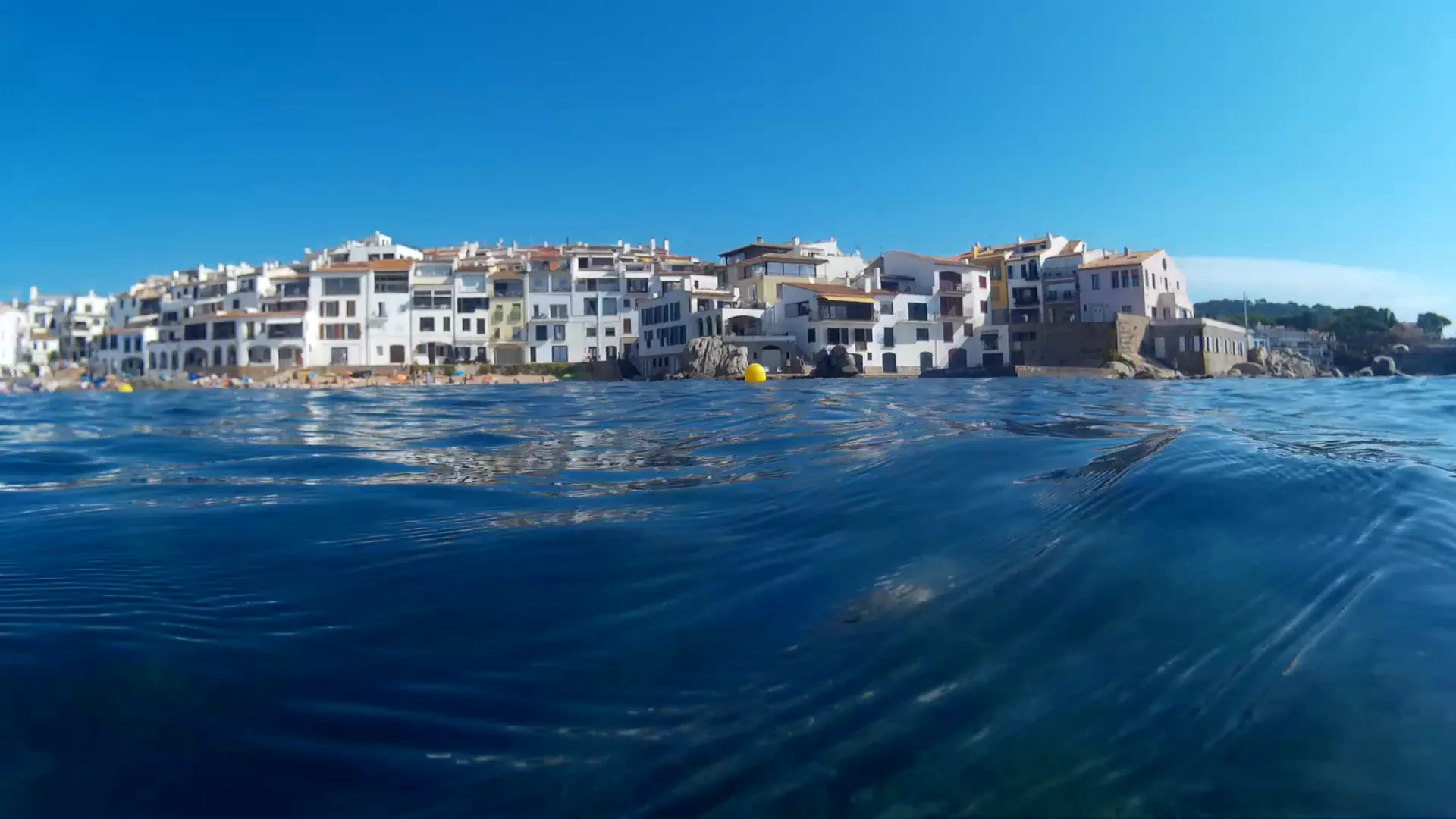
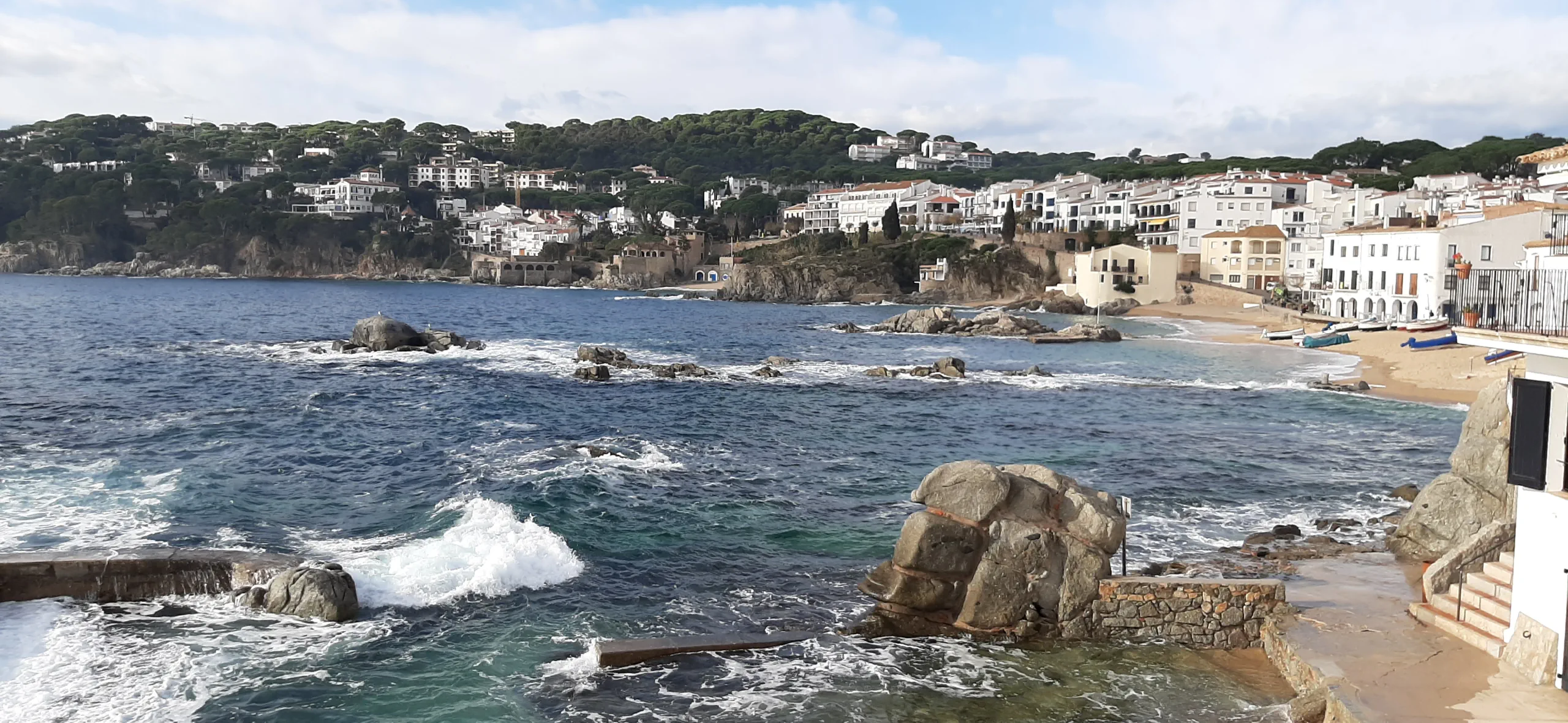
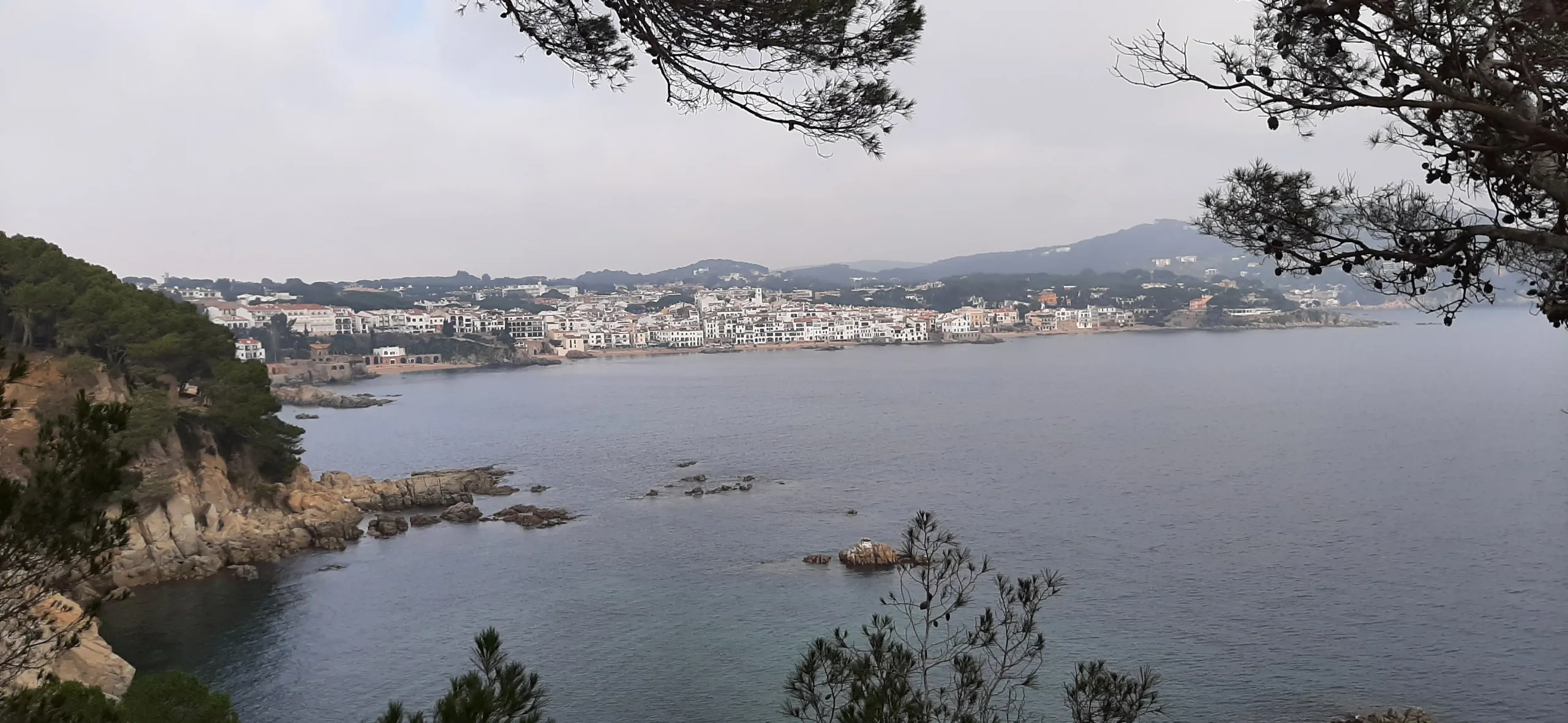
Perched along the rugged Costa Brava, Calella de Palafrugell is more than just a destination; it is a living postcard where time seems to have paused to admire the view. While much of the Mediterranean coastline has succumbed to the pressures of modern development, this ancient fishing village remains a sanctuary of white-washed walls, terracotta roofs, and the rhythmic lull of the sea.
The Spirit of the Village
As you descend toward the shoreline, the first thing that strikes you is the light—a brilliant, crystalline clarity that has inspired artists and poets for centuries. The village is defined by its iconic “Les Voltes,” the vaulted stone arches that line the beach. Historically, these offered shelter to fishermen mending their nets; today, they house intimate cafes and bars where the scent of salt air mixes with the aroma of freshly brewed espresso and grilled seafood.
A Symphony of Blue and White
The geography of Calella is a masterpiece of natural design. Small, intimate coves like Platja de Port Bo and En Calau are cradled by rocky promontories, their sands dotted with brightly painted wooden boats that look as though they haven’t moved in decades. The water here is a shifting mosaic of turquoise and deep sapphire, so clear that you can count the pebbles on the seabed from the coastal paths.
Walking the Camí de Ronda, the historic coastal trail that winds its way toward neighboring Llafranc, reveals the wilder side of the town. Here, the scent of Aleppo pines and wild rosemary hangs heavy in the air, and the wind-sculpted cliffs provide a dramatic contrast to the manicured beauty of the village center.
The Heartbeat of Tradition
Life in Calella de Palafrugell moves to a gentler cadence. It is found in the quiet mornings when the sun first hits the bell tower of the Church of Sant Pere, and in the soulful evenings of midsummer when the village hosts the famous Cantada d’Havaneres. This festival of melancholic sea shanties, brought back by sailors from Cuba in the 19th century, fills the bay with music, torches, and a profound sense of shared history.
Whether you are wandering the narrow, uphill cobblestone alleys or sitting on a sun-drenched terrace overlooking the Mediterranean, Calella de Palafrugell feels like a secret whispered from the past. It is a place that doesn’t demand your attention with neon lights or high-rises; instead, it captures your heart through the simple, enduring elegance of the sea and the stone.