MEANINGFUL TRAVELLERS
San Sebastian
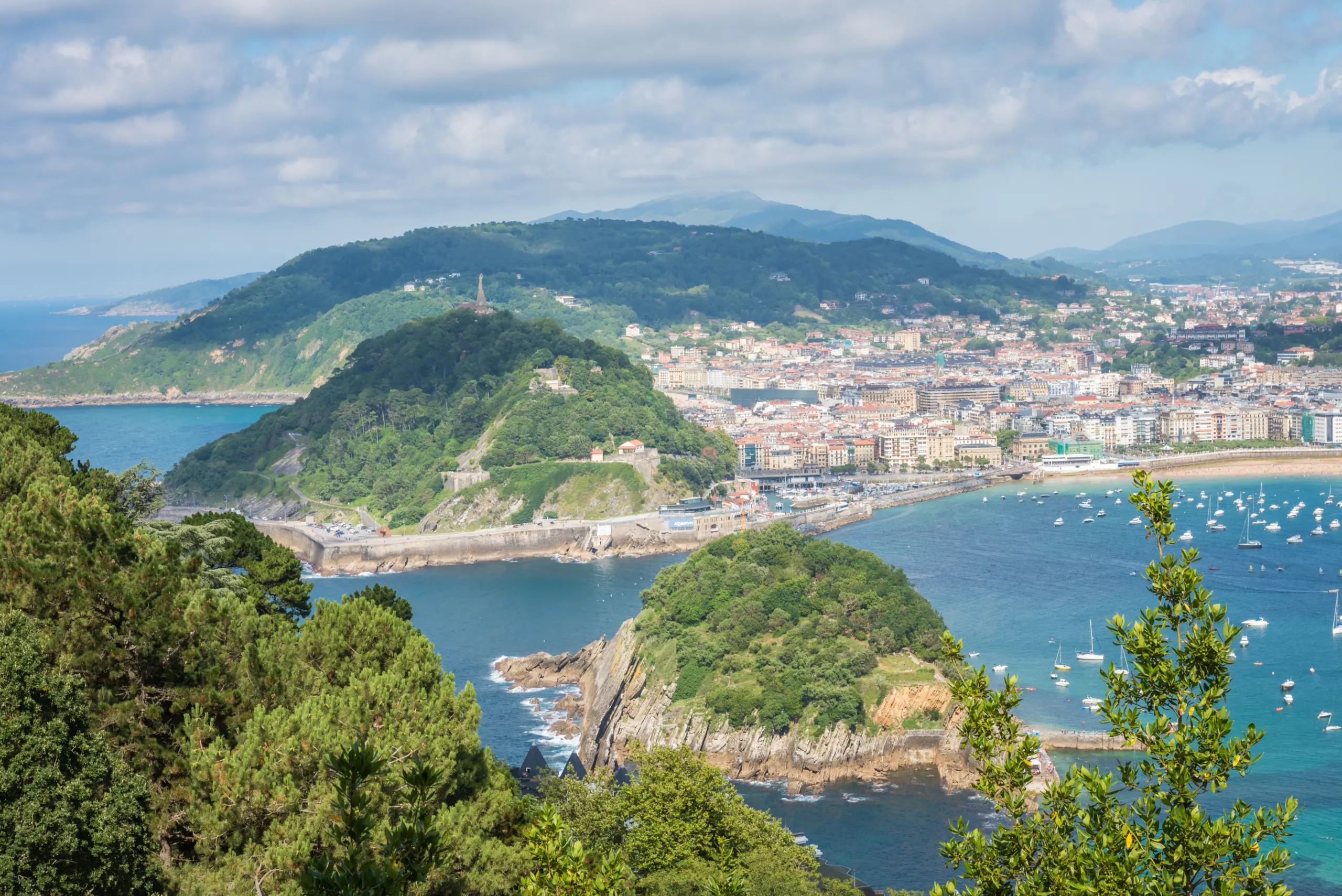
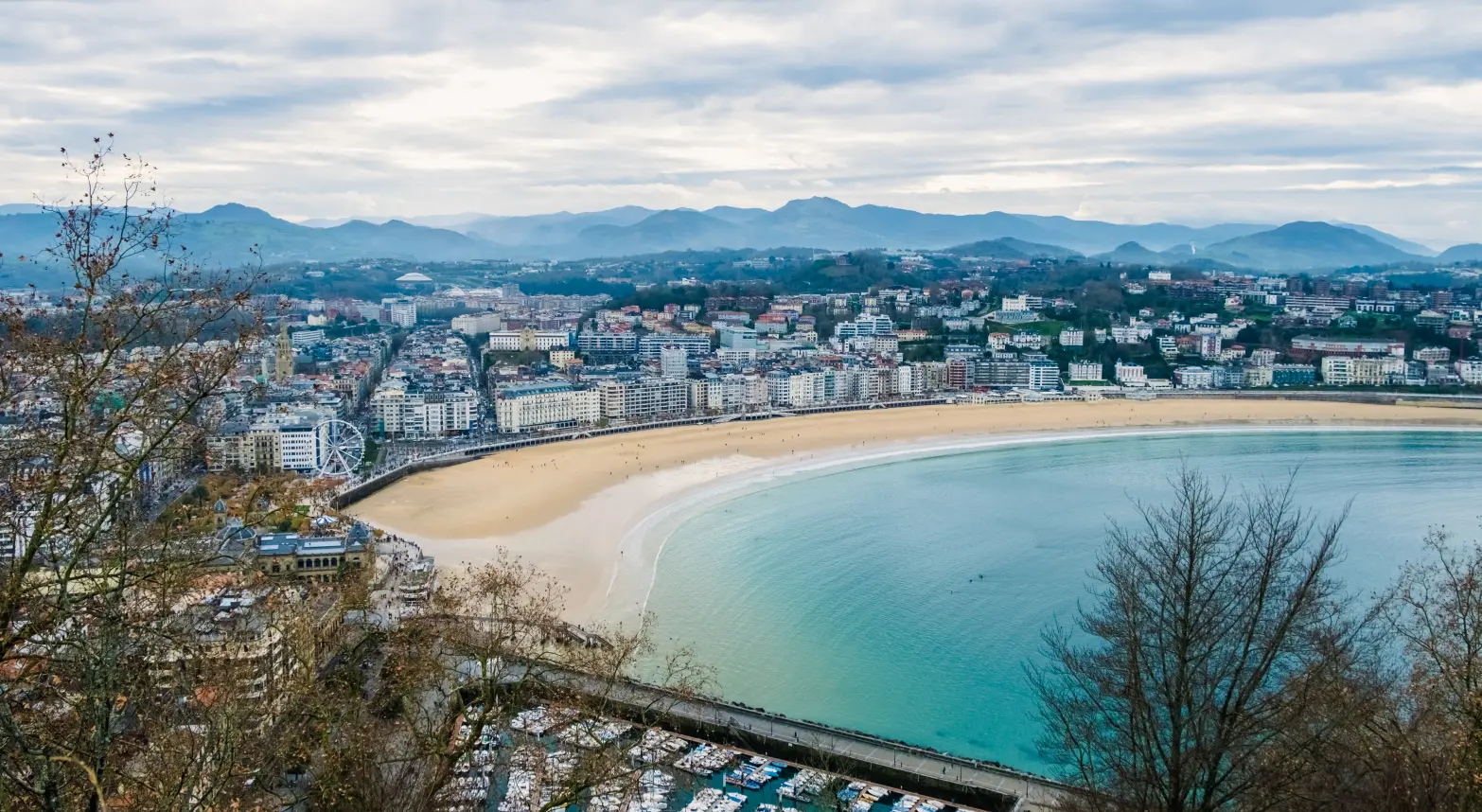
San Sebastián is a city that seems designed to be beautiful. Curled around the perfect crescent of La Concha bay, framed by two hills and open to the green Atlantic, it was the summer residence of queens and the muse of film directors.
San Sebastián, Spain · The Pearl of the Cantabrian Sea
San Sebastián is a city that seems designed to be beautiful. Curled around the perfect crescent of La Concha bay, framed by two hills and open to the green Atlantic, it was the summer residence of queens and the muse of film directors. But its elegance is not its only secret: this small Basque city holds one of the highest concentrations of Michelin stars in the world, and a pintxo culture that turns every evening into a celebration. Beauty here is served both on the plate and on the horizon.
La Concha: the most elegant bay in Europe
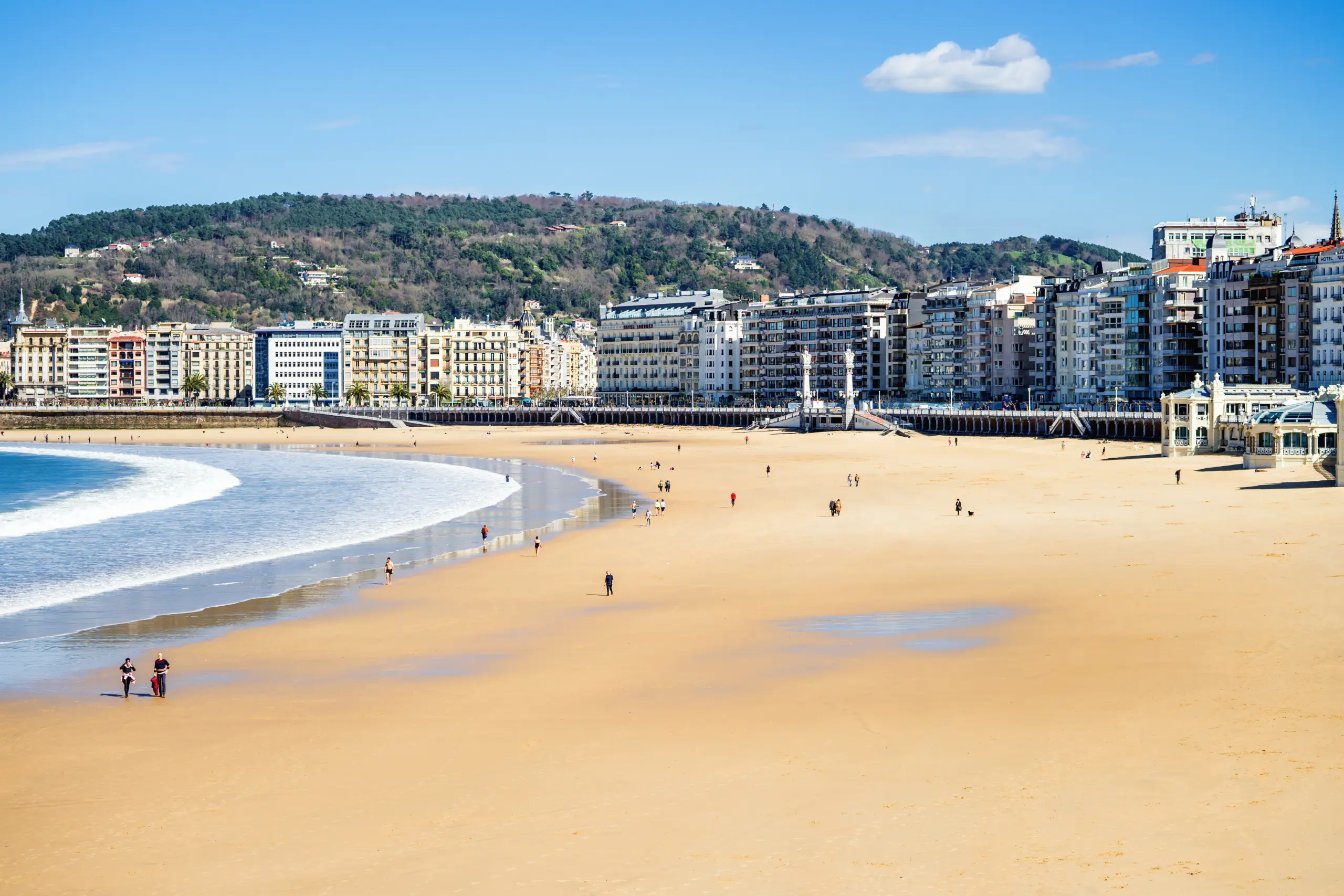
The Playa de La Concha is one of the great urban beaches of the world, a perfect shell of white sand protected by the Isla de Santa Clara at the centre of the bay. Along its promenade, the elegant railings — designed to echo the ones of Biarritz — follow the curve of the water toward the Playa de Ondarreta, where the comb of the wind sculpture by Eduardo Chillida rises above the waves. From Monte Igueldo, reached by a century-old funicular, the entire bay reveals itself in a single panorama.
A Belle Époque capital
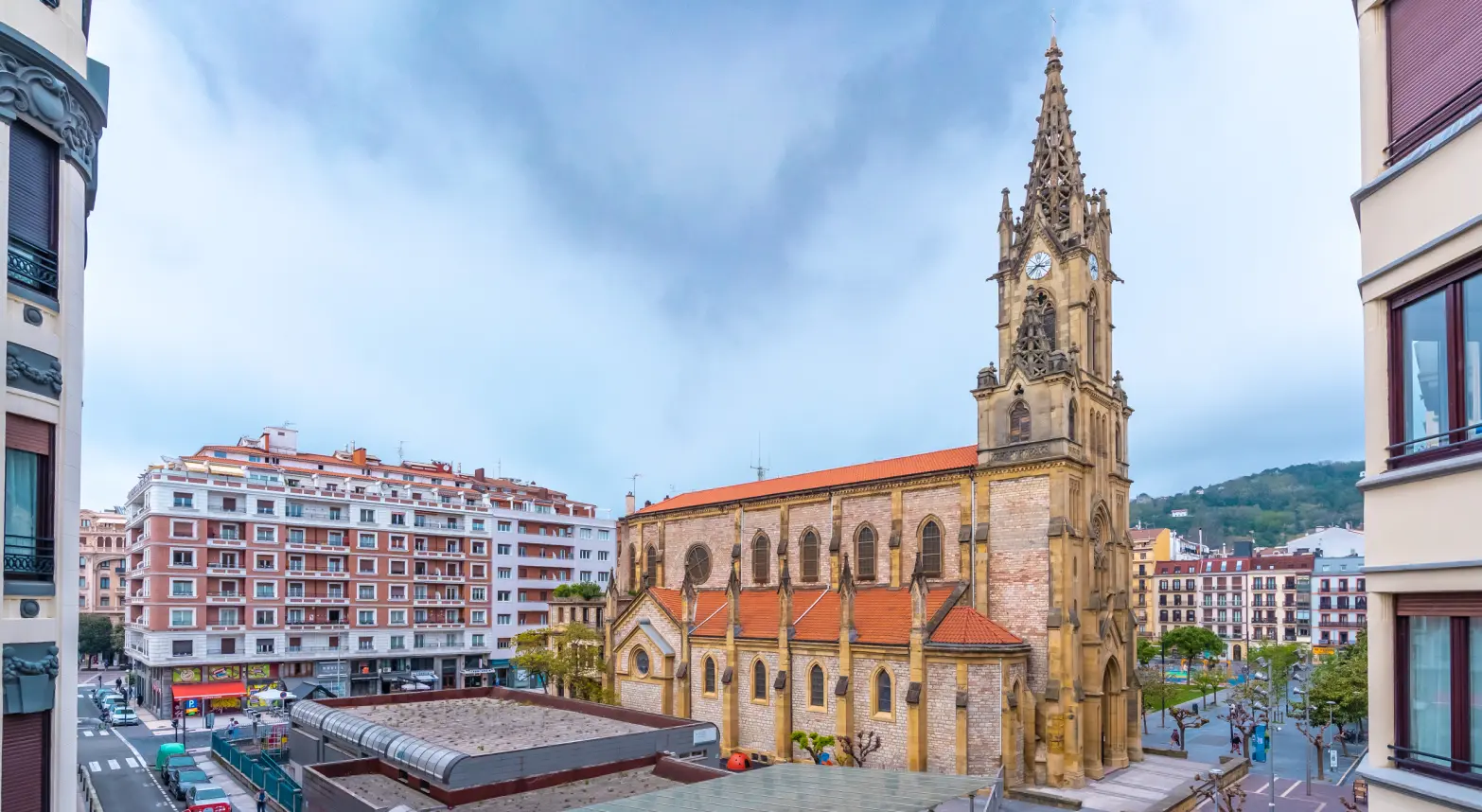
San Sebastián became fashionable when Queen Isabel II began summering here in the nineteenth century, and the city still wears the memory of that era. The Casino — now the City Hall — the Victoria Eugenia Theatre, the Hotel María Cristina and the mansions of the Paseo de la Concha preserve the air of a European spa capital. In the Parte Vieja, the old fishermen’s quarter, the church of Santa María and the Plaza de la Constitución recall a humbler origin, when this was a walled town of sailors and merchants.
The temple of the pintxo
In the bars of the Parte Vieja and the Gros district, the ritual of the txikiteo reaches its highest expression: one or two pintxos in each bar, a small glass of wine or txakoli, and then the next bar. The gilda — anchovy, guindilla pepper and olive on a skewer — was invented here, and the street 31 de Agosto holds the densest concentration of bars in the city. This is grazing elevated to an art form, practised nightly by locals and visitors alike.
Stars above the bay
San Sebastián has produced more culinary revolutionaries per square kilometre than perhaps any city on Earth. Arzak, Akelarre, and for years the legendary elBulli of nearby Roses defined the avant-garde of world gastronomy; today, a constellation of Michelin-starred restaurants surrounds the bay. The source is the same: the fishermen of the Atlantic, the produce of the green interior, and a culture that treats the table as the centre of life.
Mountains, waves and festivals
Between the two hills that guard the bay — Monte Igueldo and Monte Urgull, crowned by the statue of the Sacred Heart — the city lives facing the sea. In September, the International Film Festival fills the streets with cinema; on the 31st of August, the drums of the Tamborrada in honour of the city’s patron bring the city to its feet; and in the surrounding waters of Zurriola, the surfers of the Gros district ride the Atlantic swell beneath the Kursaal’s glass cubes.