MEANINGFUL TRAVELLERS
Cordoba
This is the city that produced such a space: a place where, a thousand years ago, philosophy, medicine, and poetry flourished as nowhere else in Europe, and where three faiths built a civilisation that still casts its light today.
Córdoba, Spain · City of Light and Shadows
There is a moment inside the Mezquita of Córdoba when the forest of red-and-white arches seems to multiply into infinity, when stone becomes geometry and geometry becomes meditation. This is the city that produced such a space: a place where, a thousand years ago, philosophy, medicine, and poetry flourished as nowhere else in Europe, and where three faiths built a civilisation that still casts its light today.
The Mezquita: a forest of arches
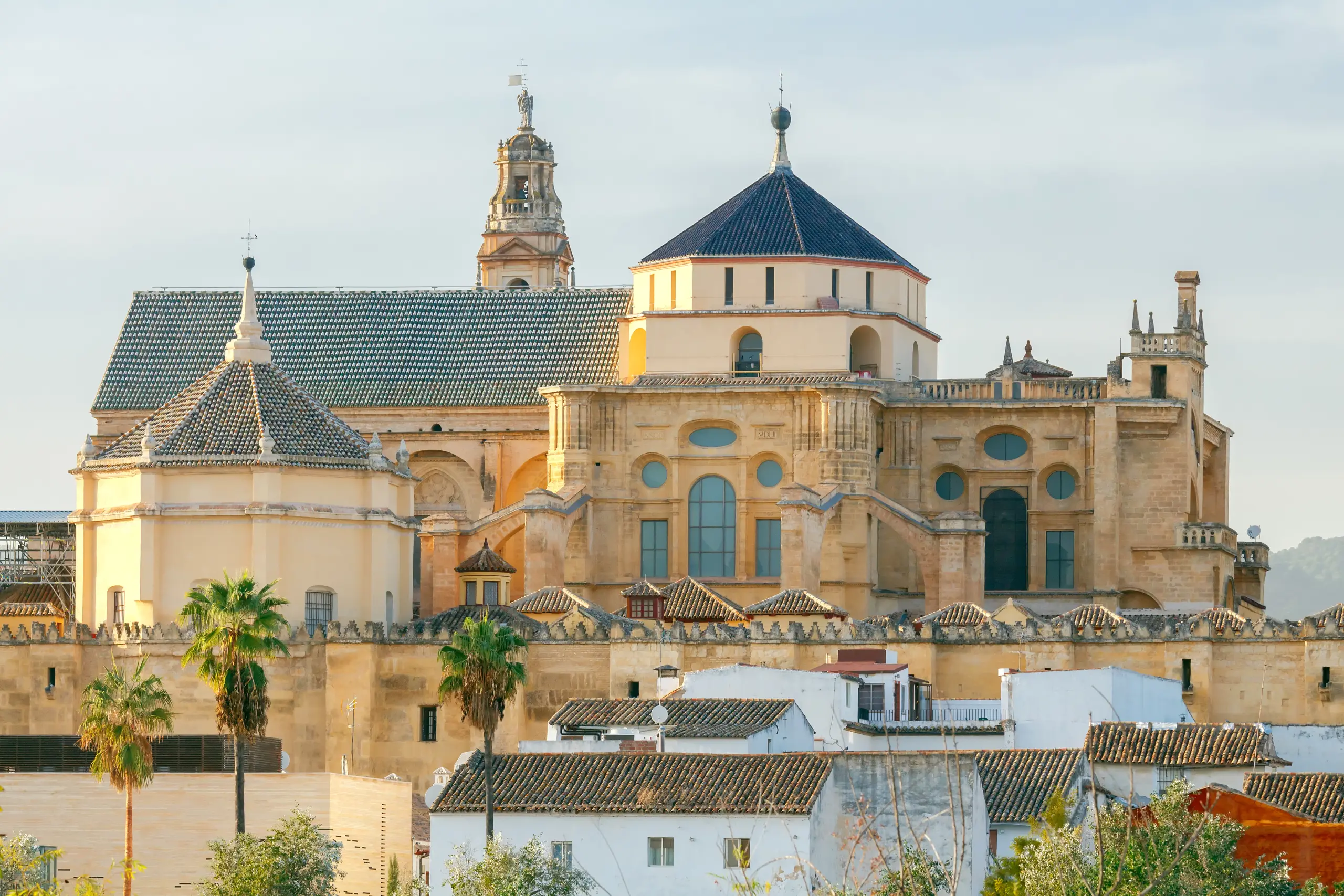
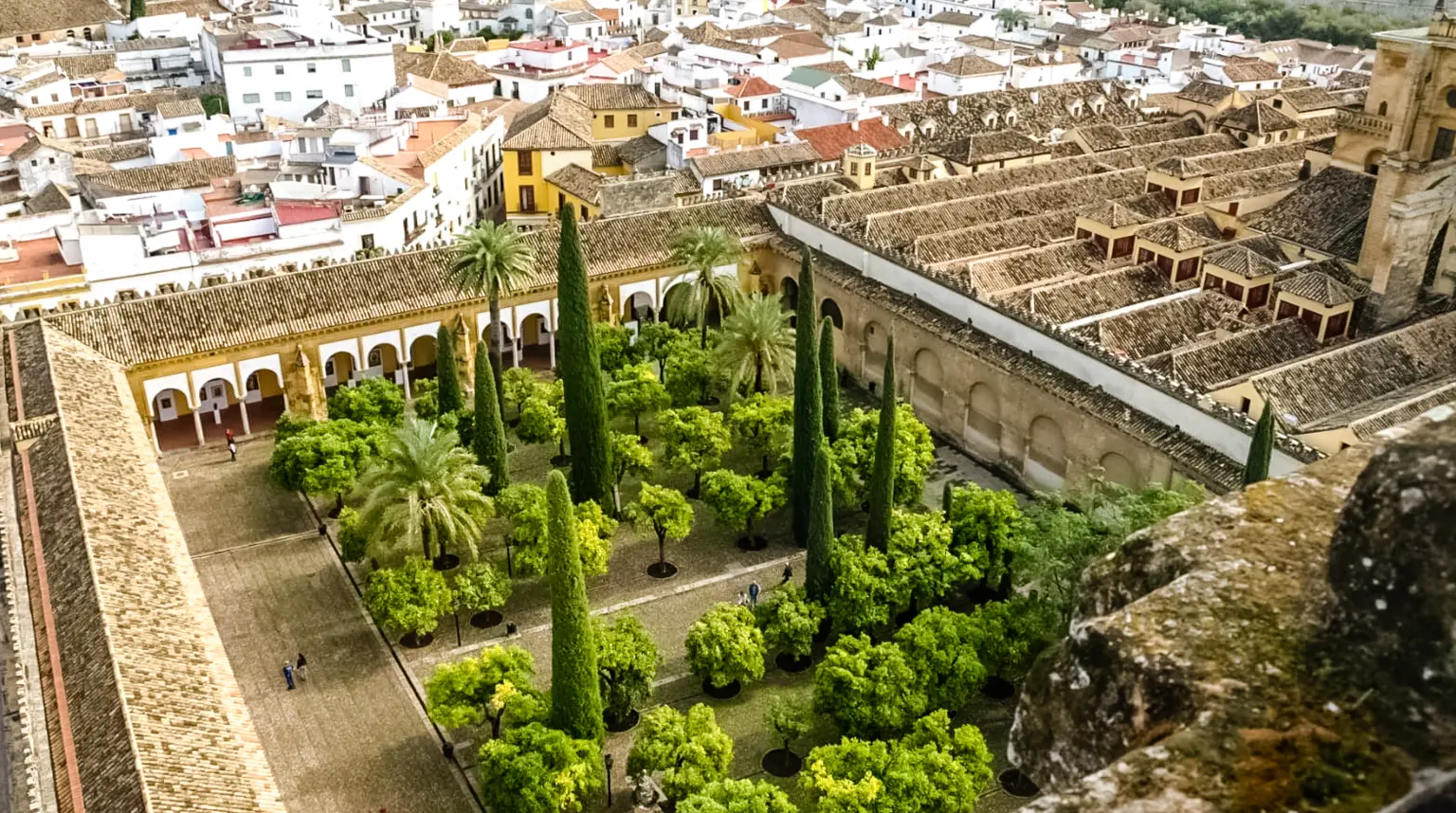
The Great Mosque of Córdoba, begun in 785 and expanded over centuries, is one of the most extraordinary buildings in the world. Its hypostyle hall, with its double arches of stone and brick, creates an effect of endless repetition that dissolves the boundaries of space. At its heart stands a Renaissance cathedral nave, raised in the sixteenth century amid the columns — a collision of two worlds that, against all logic, produces something mesmerising rather than jarring.
The Judería and the courtyards of May
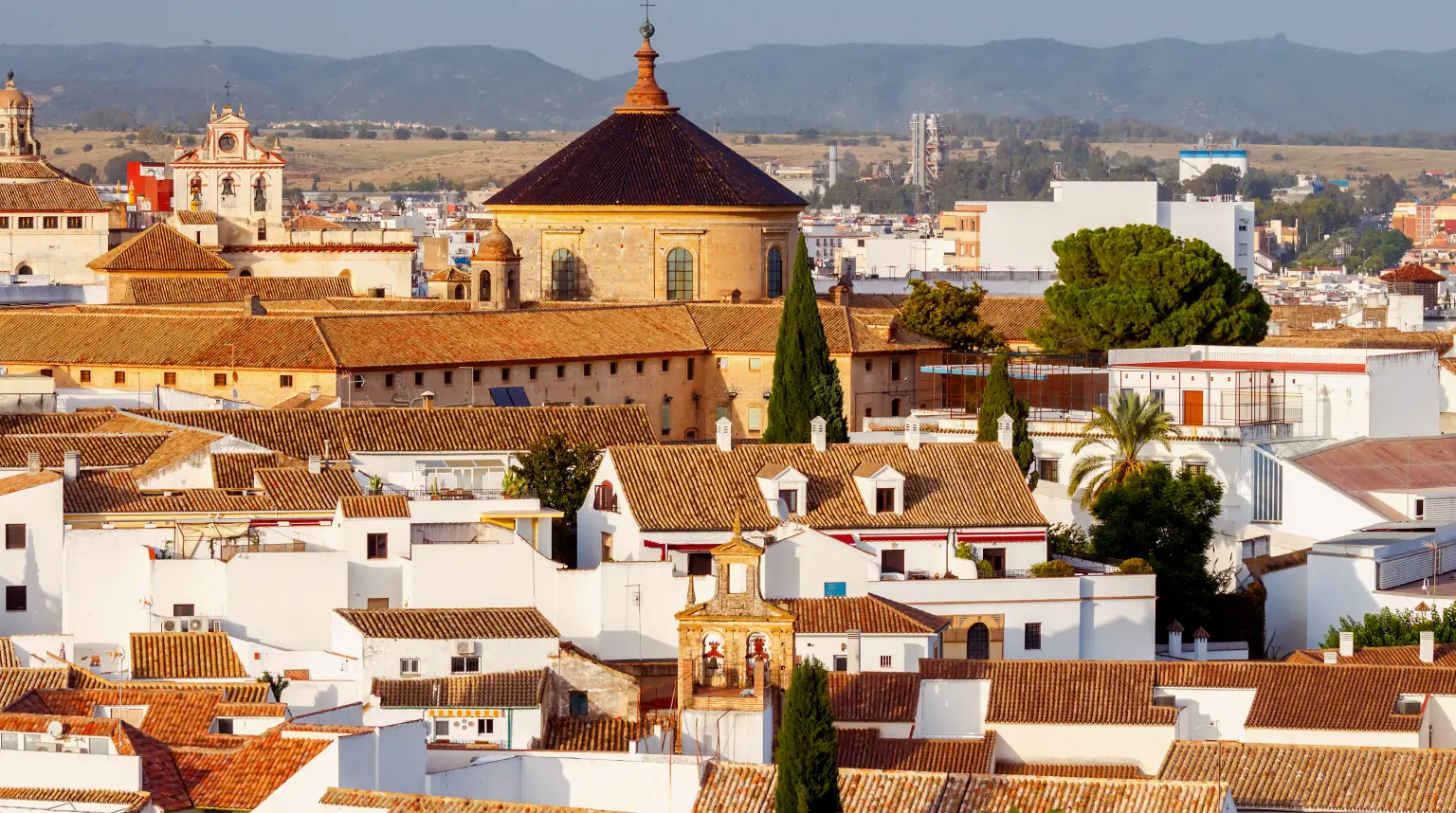
Around the Mezquita unfolds the Judería, Córdoba’s old Jewish quarter, a maze of whitewashed lanes so narrow that the sky becomes a ribbon of blue overhead. Here stands the Synagogue of Córdoba, one of only three medieval synagogues remaining in Spain, and the statue of Maimonides, the philosopher born in these streets. In May, the courtyards of the city open their gates for the Fiesta de los Patios, when flower-filled patios compete in an explosion of colour that is as old as the houses that contain them.
A bridge across centuries
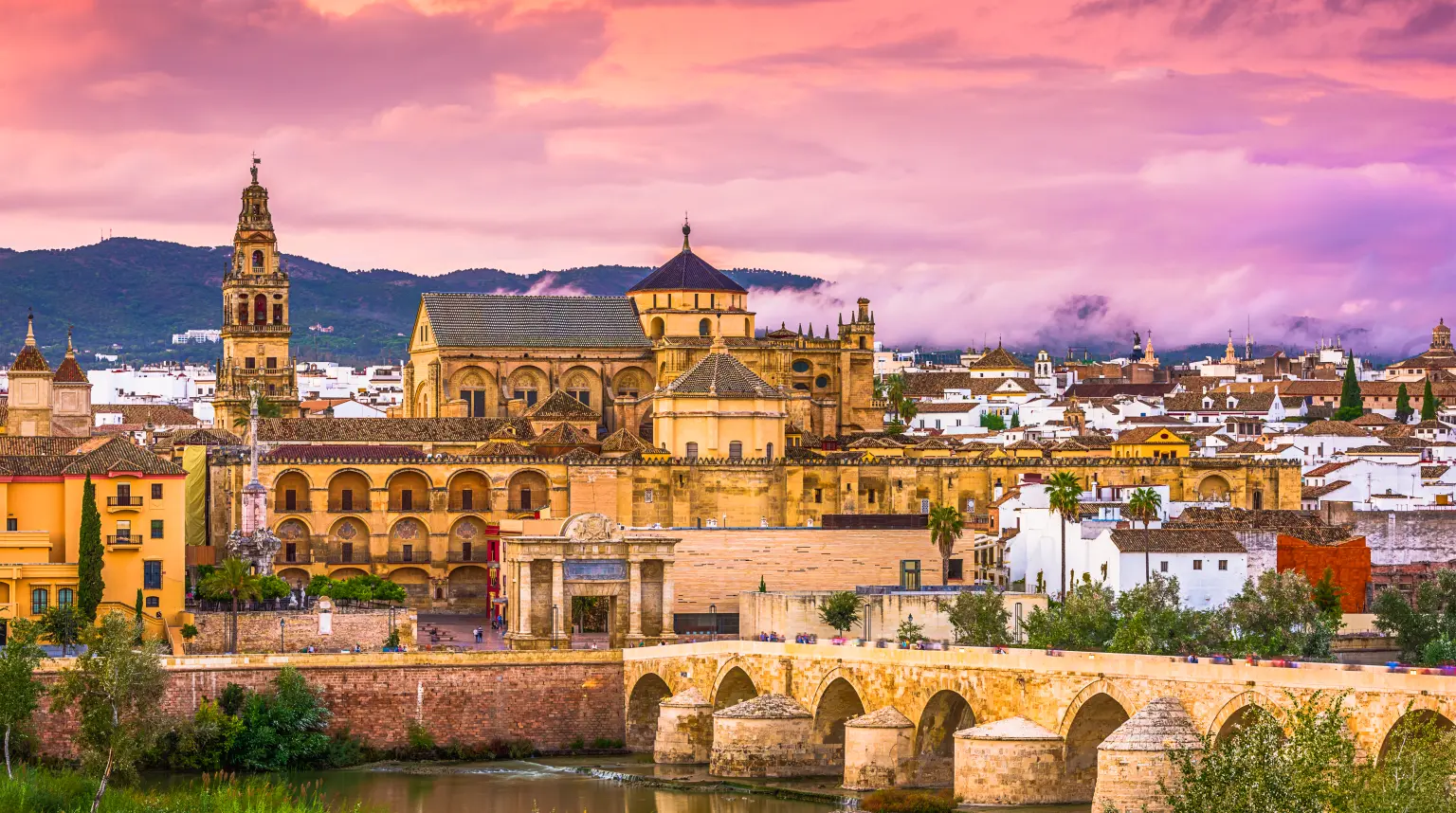
The Roman Bridge that crosses the Guadalquivir has carried travellers for two thousand years, from legionaries to philosophers to pilgrims. It leads to the Calahorra Tower, where the story of Al-Andalus is told anew. Beneath the city, the Roman temple and the remnants of the greatest city of Roman Hispania, Colonia Patricia, still surface among the streets — a reminder that Córdoba was old even when the Arabs arrived and made it the brightest city in the world.
The scent of orange blossom
To understand Córdoba, one must walk slowly. The scent of orange blossom in spring, the taste of salmorejo, the coolness of a patio fountain in July, the Flamenco of the festivals that set the patios alight in summer nights: this is a city that rewards those who stay long enough to fall under its spell.
Points Of Interest in Cordoba