MEANINGFUL TRAVELLERS
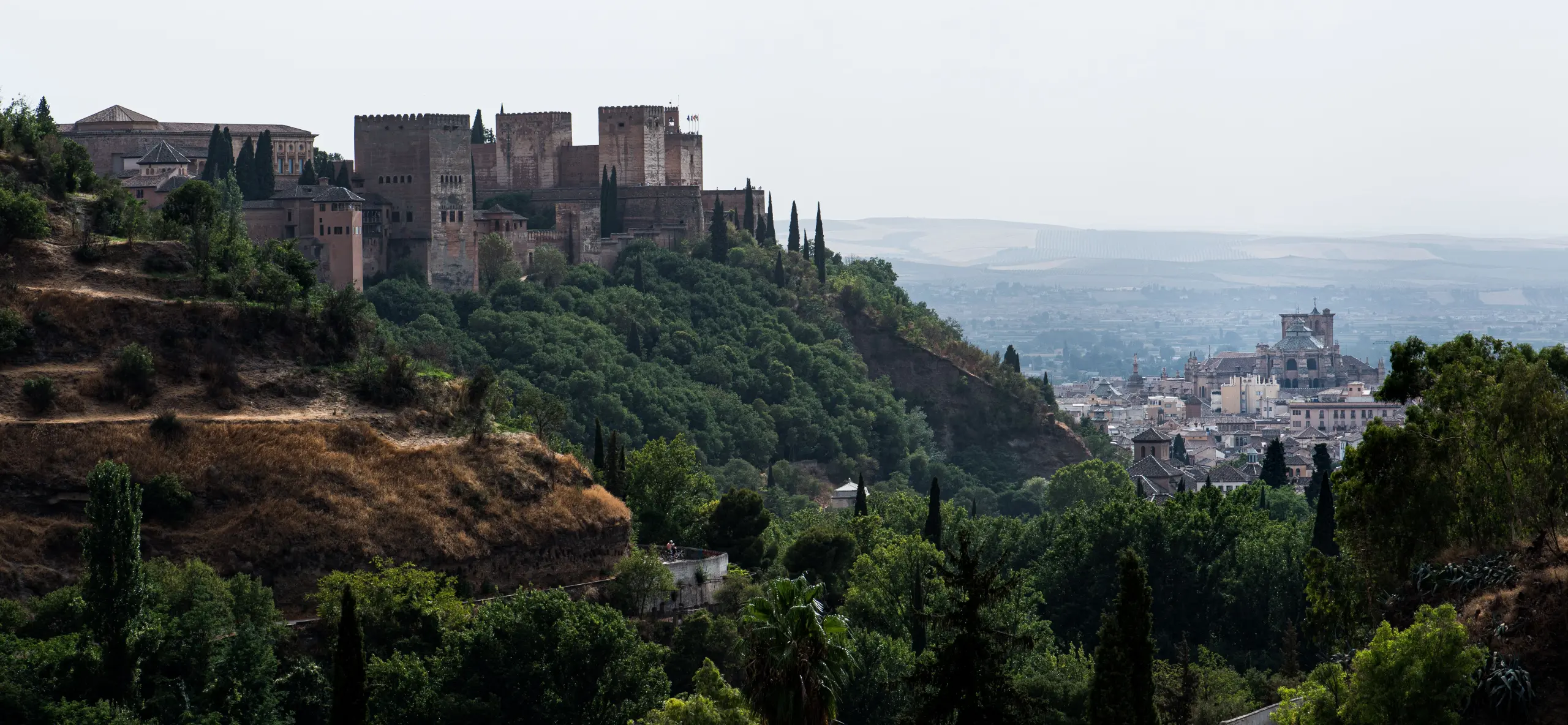
Granada
Discover Granada, the city of the Alhambra, where Moorish palaces, flamenco caves, and the Albaicín’s winding streets tell the story of Al-Andalus.
Granada, Spain · City of a Thousand Years
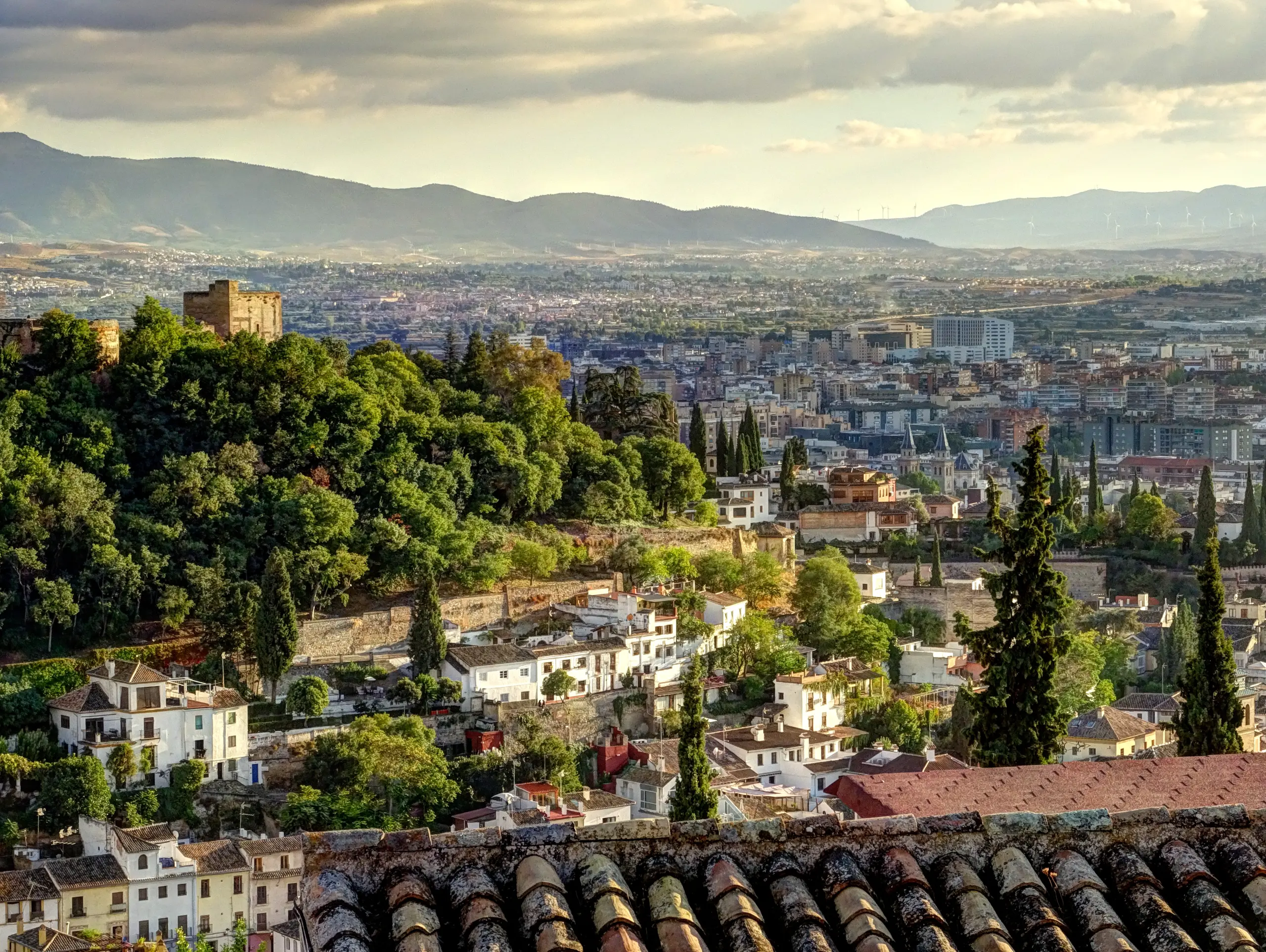
There is a reason the poets wept when they left Granada. Set against the snow-capped peaks of the Sierra Nevada, this is a city where water whispers through palace courtyards, where sunset turns the Alhambra’s walls to gold, and where every street corner carries the echo of Al-Andalus, the Muslim kingdom that flourished here for eight centuries until 1492.
The Alhambra: a palace of light and water
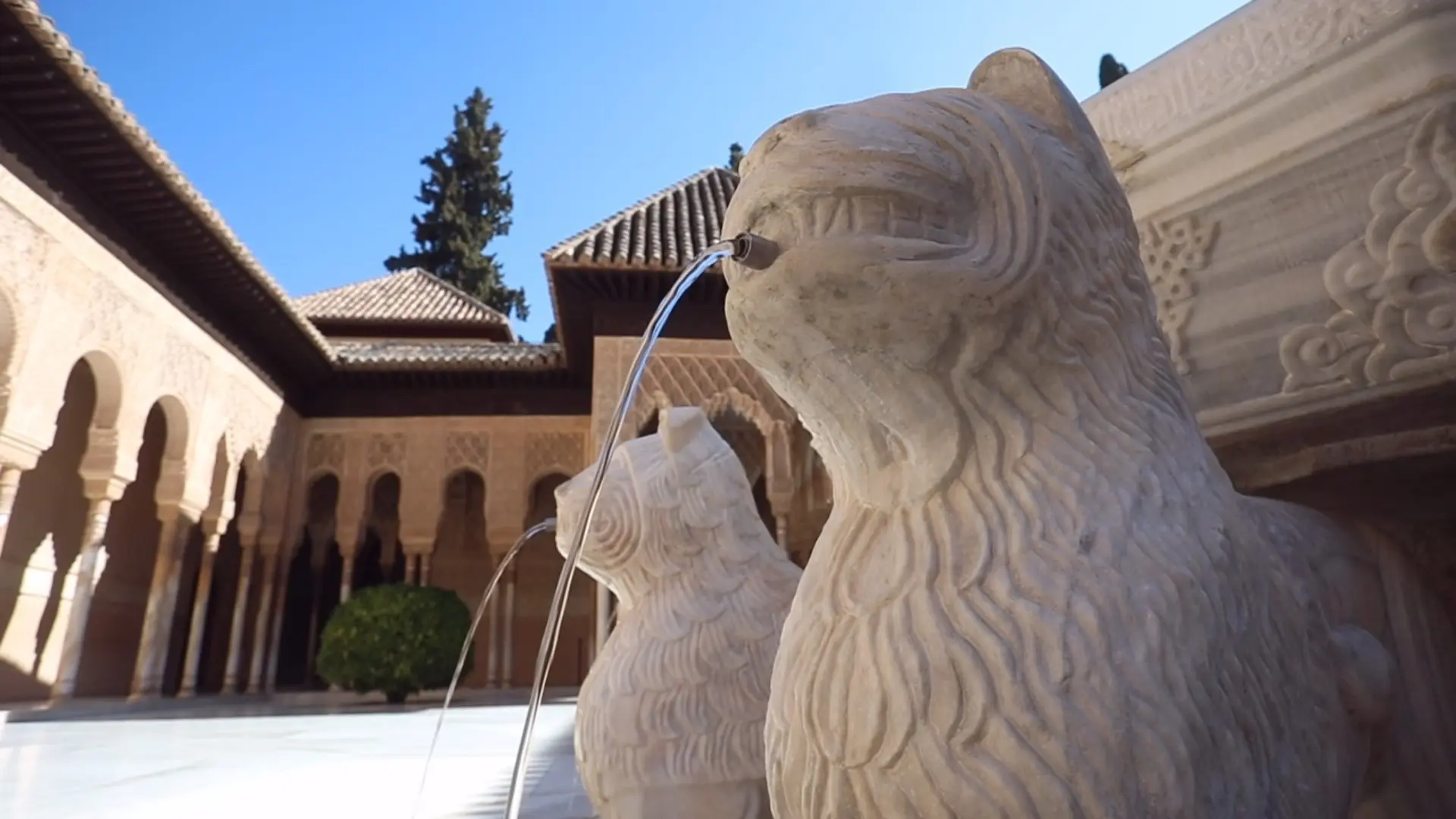
The Alhambra is not merely Granada’s monument; it is its soul. Part fortress, part palace, part garden, this hilltop complex represents the final and finest flowering of Moorish art in Europe. Its courtyards—the Court of the Lions, the Comares Hall with its ceiling of cedar and gold—are studies in harmony, where water, geometry, and poetry converge. To walk its halls at dawn, before the crowds arrive, is to understand why the last sultans wept at leaving it.
The Albaicín: a labyrinth of memory
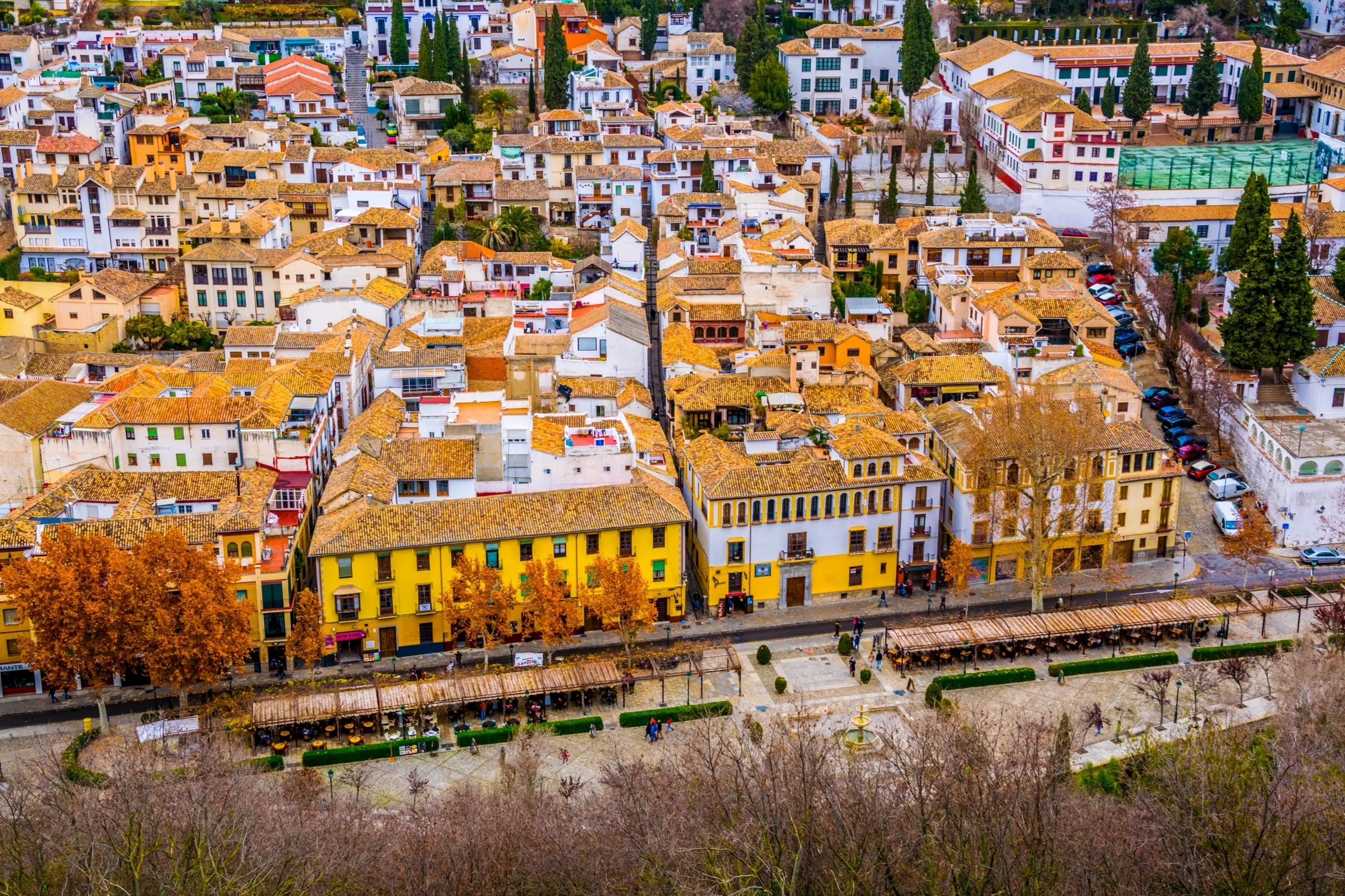
Across the valley, the Albaicín, Granada’s old Muslim quarter, rises in a maze of narrow lanes, whitewashed houses, and hidden courtyards known as carmenes. From the Mirador de San Nicolás, the Alhambra appears framed against the mountains, a view that has captivated travellers for centuries. Here, the muezzin’s call once blended with church bells, and that layered identity still defines the city.
The legacy of two worlds
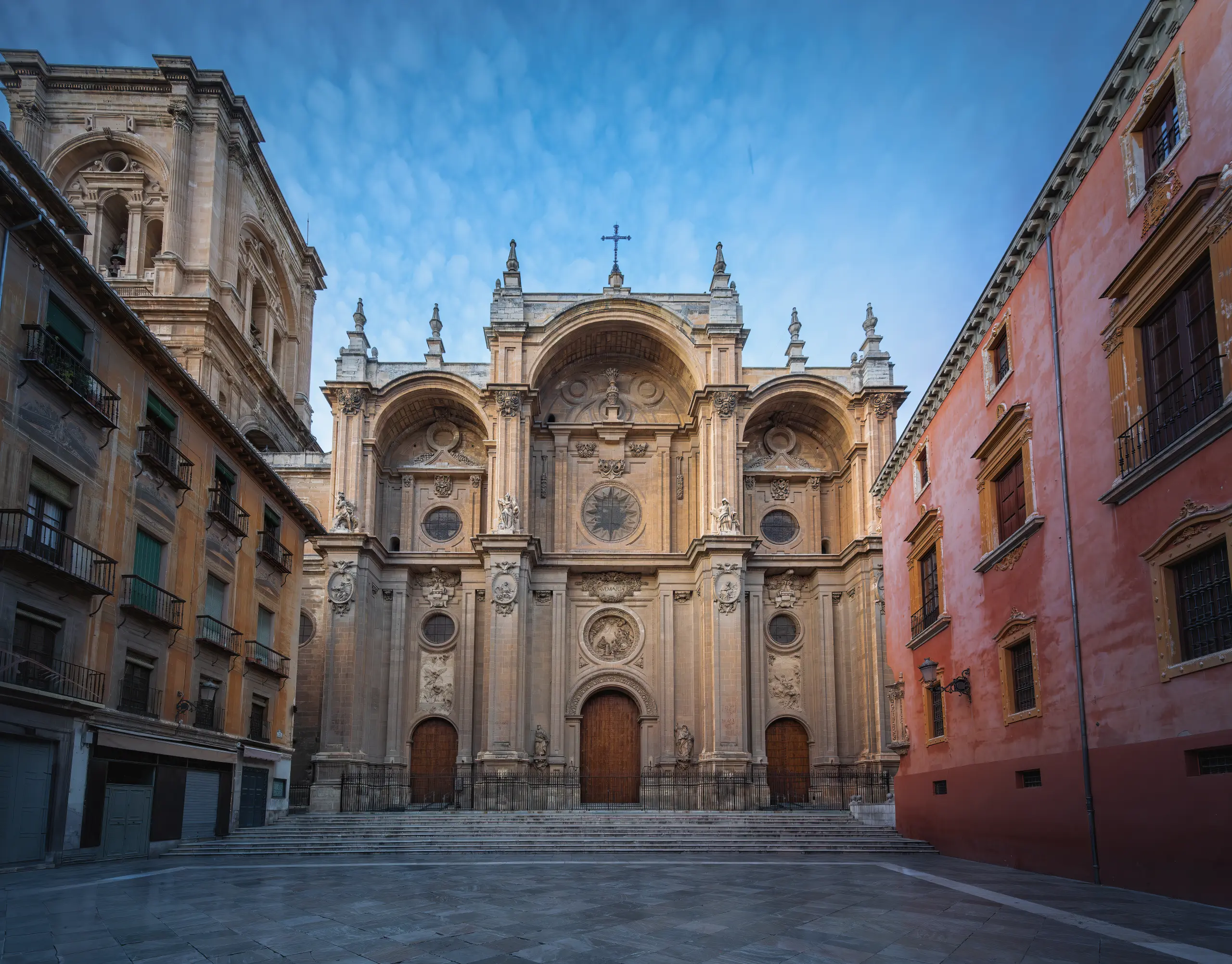
Granada is a city of convergences. The Royal Chapel holds the tombs of the Catholic Monarchs who conquered it; the Cathedral, a Renaissance giant, rises beside streets laid out in Moorish times. In the Sacromonte, the city’s flamenco heart beats in caves carved into the hillside, where gitano families transformed sorrow and celebration into cante jondo, the deep song of Andalusia.
A city for all senses
Granada is also a city of taste and scent: tapas served free with every drink, tea houses perfumed with mint, the Arab markets of the Calderería, and the gardens of the Generalife, where the sultans once escaped the heat of summer. Beneath the Sierra Nevada, at the crossroads of mountains and fertile plains, Granada remains what it has always been: a place where cultures meet, and where the traveller does not simply visit, but stays—wishing, like the poets, never to leave.