
MEANINGFUL TRAVELLERS
Valencia
Valencia: Tradition and Vanguard in Mediterranean Harmony Valencia is a city that defies easy categorization. It is where the ancient and the avant-garde coexist not in tension, but in conversation. For the discerning traveler, Valencia offers a rare opportunity: to experience a place where tradition is not preserved in amber, but actively shapes the present. This is a city of
Valencia: Tradition and Vanguard in Mediterranean Harmony
Valencia is a city that defies easy categorization. It is where the ancient and the avant-garde coexist not in tension, but in conversation. For the discerning traveler, Valencia offers a rare opportunity: to experience a place where tradition is not preserved in amber, but actively shapes the present. This is a city of rice fields and futuristic architecture, of fallas that burn with artistic audacity, and of a coastline that whispers stories of trade, conquest, and renewal.
The beating heart of Valencia
Valencia’s identity is rooted in its ability to reconcile opposites. It is a city that is at once deeply Catalan in its linguistic and cultural sensibilities, yet distinctly Valencian in its traditions and temperament. Mediterranean in its climate and cuisine, it is also a forward-looking hub of innovation and design. The city’s true essence lies in this negotiation—between land and sea, between heritage and modernity, between the local and the global. To understand Valencia is to recognize that it refuses to be confined to a single narrative.
Valencia as a living museum of architecture
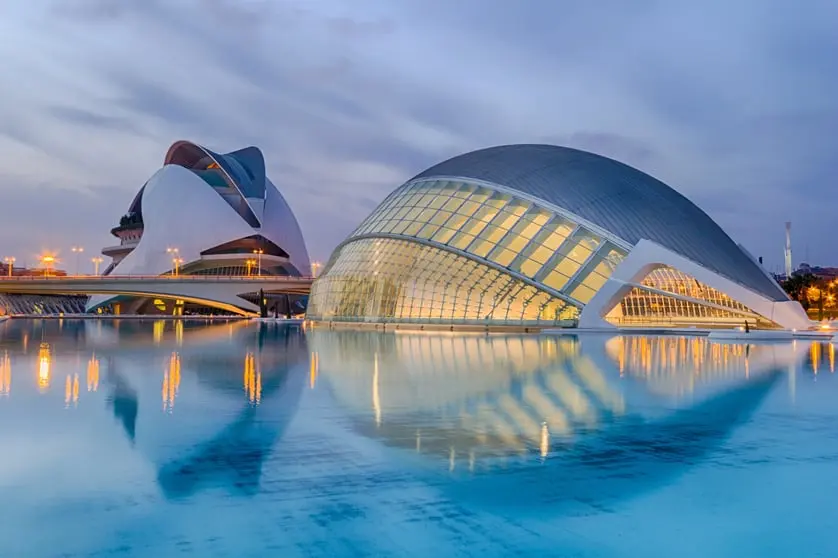
The city’s architectural landscape tells the story of its evolution. The City of Arts and Sciences (Ciudad de las Artes y las Ciencias), designed by Santiago Calatrava and Félix Candela, is not merely a feat of engineering but a testament to Valencia’s ambition to be a beacon of culture and science. Its futuristic forms, set against the backdrop of the old Turia riverbed, symbolize the city’s embrace of the future while honoring its past.
Yet, Valencia’s architectural soul is not confined to its modern marvels. The Silk Exchange (Lonja de la Seda), a UNESCO World Heritage site, stands as a masterpiece of Gothic architecture, its intricate columns and vaulted ceilings a testament to the city’s medieval prosperity as a center of trade. Nearby, the Valencia Cathedral and its Miguelete Tower offer a glimpse into the city’s religious and civic history, while the Central Market (Mercado Central)—one of Europe’s largest and most beautiful markets—showcases the elegance of early 20th-century modernism.
The contrast between these architectural eras is not a clash, but a dialogue. The old and the new coexist harmoniously, each enhancing the other’s significance.
A city shaped by water and earth
Valencia’s relationship with its natural surroundings is profound. The Turia Gardens, a lush green belt that cuts through the city, is a testament to Valencia’s ability to transform adversity into opportunity. Once the bed of the Turia River, which flooded the city in 1957, it is now a vibrant park that serves as the city’s green lung, a place where locals and visitors alike can stroll, cycle, or simply relax.
The Albufera Natural Park, just a short distance from the city center, offers a different kind of escape. This vast freshwater lagoon, surrounded by rice fields, is the birthplace of paella, Valencia’s most iconic dish. Here, the visitor can witness the traditional methods of rice cultivation that have sustained the region for centuries. A boat ride at sunset across the lagoon, with the silhouette of the city in the distance, is an experience that captures the essence of Valencia’s connection to its land and water.
The culinary soul of Valencia
Valencia’s gastronomy is a reflection of its history and geography. While paella is the dish most associated with the city, its true culinary treasure lies in its markets and traditional eateries. The Central Market, with its stunning modernist architecture, is a sensory feast of fresh produce, seafood, and local delicacies. Here, one can sample horchata, a refreshing drink made from tiger nuts, or fideuà, a seafood dish similar to paella but made with noodles instead of rice.
The city’s dining scene is a blend of tradition and innovation. Restaurants like La Pepica, a historic establishment on the beachfront, offer classic Valencian dishes in a setting that has attracted everyone from Hemingway to local fishermen. Meanwhile, newer eateries are reimagining traditional recipes with a contemporary twist, using locally sourced ingredients to create dishes that are both rooted in the past and distinctly modern.
For those seeking a deeper understanding of Valencian cuisine, a visit to a local farm or rice field in the Albufera region provides insight into the cultivation of the ingredients that define the city’s culinary identity.
Festivals: A celebration of fire and artistry
Valencia’s festivals are a vibrant expression of its cultural identity. The Fallas Festival, held every March, is the most famous of these. During this week-long celebration, the city is transformed into a dazzling display of artistry and pyrotechnics. Giant ninots—elaborate papier-mâché figures—are erected throughout the streets, each a satirical or artistic commentary on contemporary issues. The festival culminates in the Crema, where these intricate creations are set ablaze in a spectacular, if fleeting, display of fire and light.
Another highlight is the Tomatina, held in the nearby town of Buñol. This quirky festival, where participants engage in a massive tomato fight, is a testament to Valencia’s playful spirit and love of communal celebration.
Sustainability and innovation
Valencia is increasingly recognized as a leader in sustainability and urban innovation. The city’s commitment to green spaces, renewable energy, and eco-friendly transportation is evident in initiatives like the Valencia Bike Lane Network, which encourages cycling as a primary mode of transport. The Bioparc, a zoo designed with a focus on conservation and education, is another example of Valencia’s dedication to environmental stewardship.
The city’s approach to tourism is also evolving. There is a growing emphasis on responsible travel, with efforts to promote experiences that benefit both visitors and locals. From guided tours that highlight the city’s hidden gems to culinary workshops that support local producers, Valencia is redefining what it means to be a tourist destination.
Points of Interest in Valencia
City of Arts and Sciences
An architectural complex that redefines the city’s skyline, the City of Arts and Sciences is a must-visit for anyone interested in the intersection of art, science, and innovation. Its various buildings, including the Hemisfèric, Prince Philip Science Museum, and L’Umbracle, offer a range of cultural and educational experiences.
Silk Exchange
This UNESCO-listed building is a masterpiece of Gothic architecture and a symbol of Valencia’s historical importance as a center of trade. Its grand halls and intricate details are a testament to the city’s medieval prosperity.
Valencia Cathedral and Miguelete Tower
The cathedral, with its mix of Romanesque, Gothic, and Baroque elements, is a reflection of Valencia’s layered history. The Miguelete Tower offers panoramic views of the city, providing a unique perspective on its architectural and cultural landscape.
Central Market
One of Europe’s largest and most beautiful markets, the Central Market is a feast for the senses. Its stunning modernist architecture houses a vibrant array of stalls selling everything from fresh produce to local delicacies.
Albufera Natural Park
A short distance from the city center, the Albufera Natural Park is a tranquil escape. Its vast freshwater lagoon and surrounding rice fields are the birthplace of paella and a haven for birdwatchers and nature lovers.
Getting to the point
Valencia is a city that rewards curiosity and a willingness to explore beyond the surface. It is a place where the past and the present are in constant dialogue, where tradition and innovation coexist, and where every corner tells a story. For the traveler who seeks depth and authenticity, Valencia offers an experience that is as enriching as it is unforgettable.
Points Of Interest in Valencia
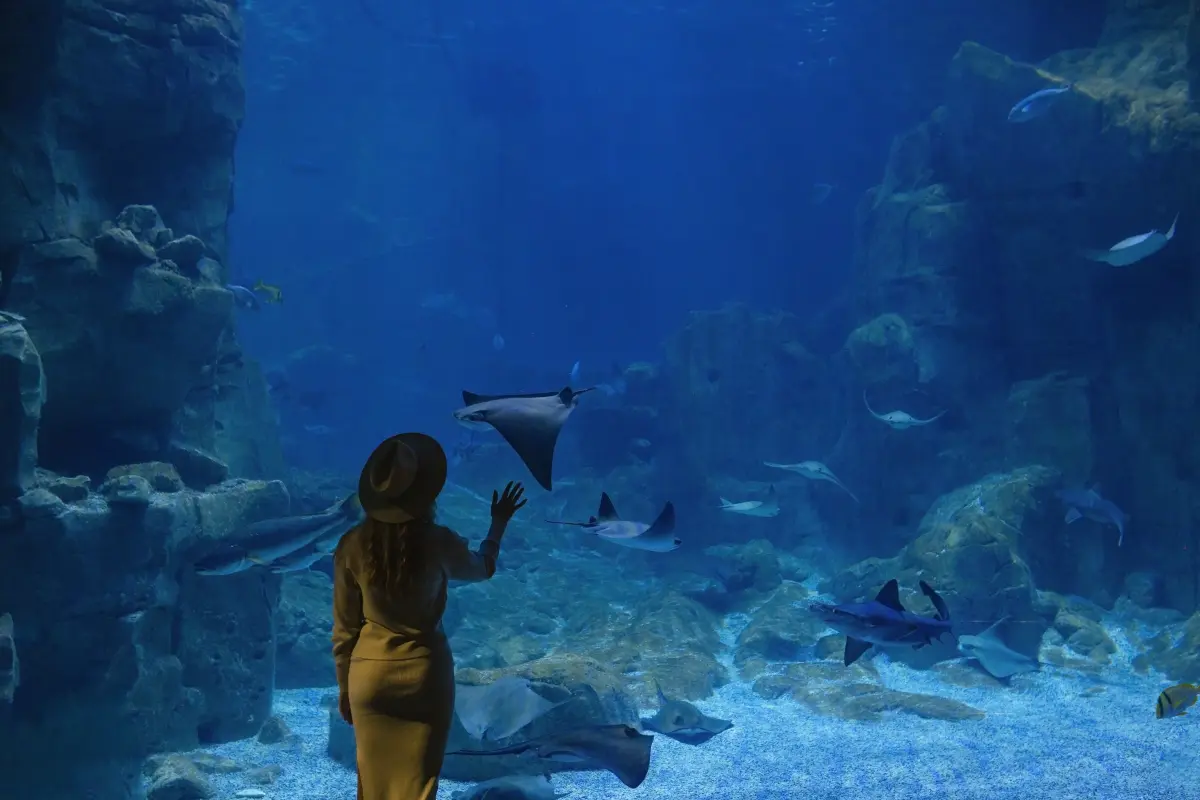
Oceanogràfic Valencia
Explore Oceanogràfic in Valencia, Europe’s largest aquarium, where marine life from around the world comes to life.…
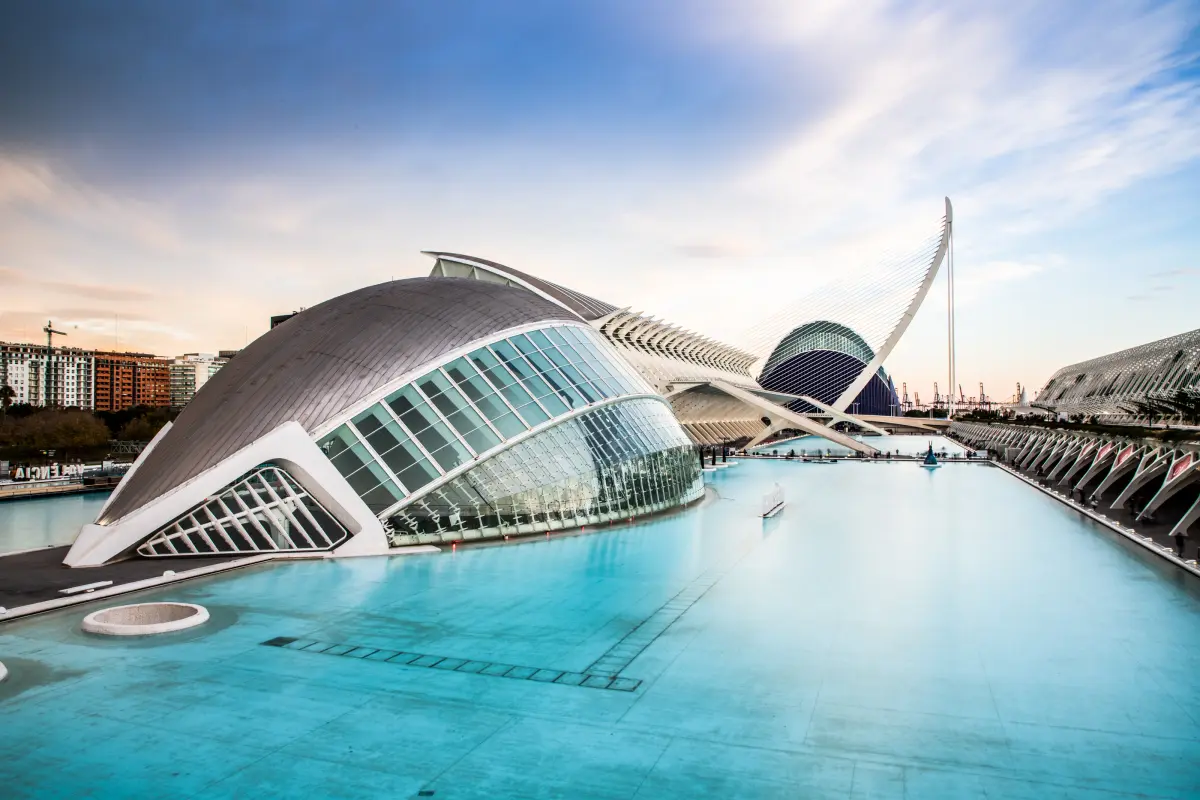
Ciudad de las Artes y las Ciencias
Explore the Ciudad de las Artes y las Ciencias in Valencia, a futuristic complex designed by Calatrava. Discover its architectural…
